My Leadership Philosophy
My leadership vision is to cultivate a culture of innovation and psychological safety, grounded in personal integrity and service, where influence is earned through conduct, not command.
This philosophy is a synthesis of my professional experiences, academic frameworks, and a commitment to continuous learning. This page explores those connections, featuring a letter and a visual map from my MBA coursework, the objective data from my CareerLeader assessment, and a note on how my thinking is shaped by complexity science.
To share the resources that have been most influential, I've also included a curated library of my favorite books and online courses.
My Leadership Framework
I'm a visual thinker. I made this map to trace the connections between my career experiences, MBA learnings, and core philosophies that all shape my leadership vision.
Core Professional Interests
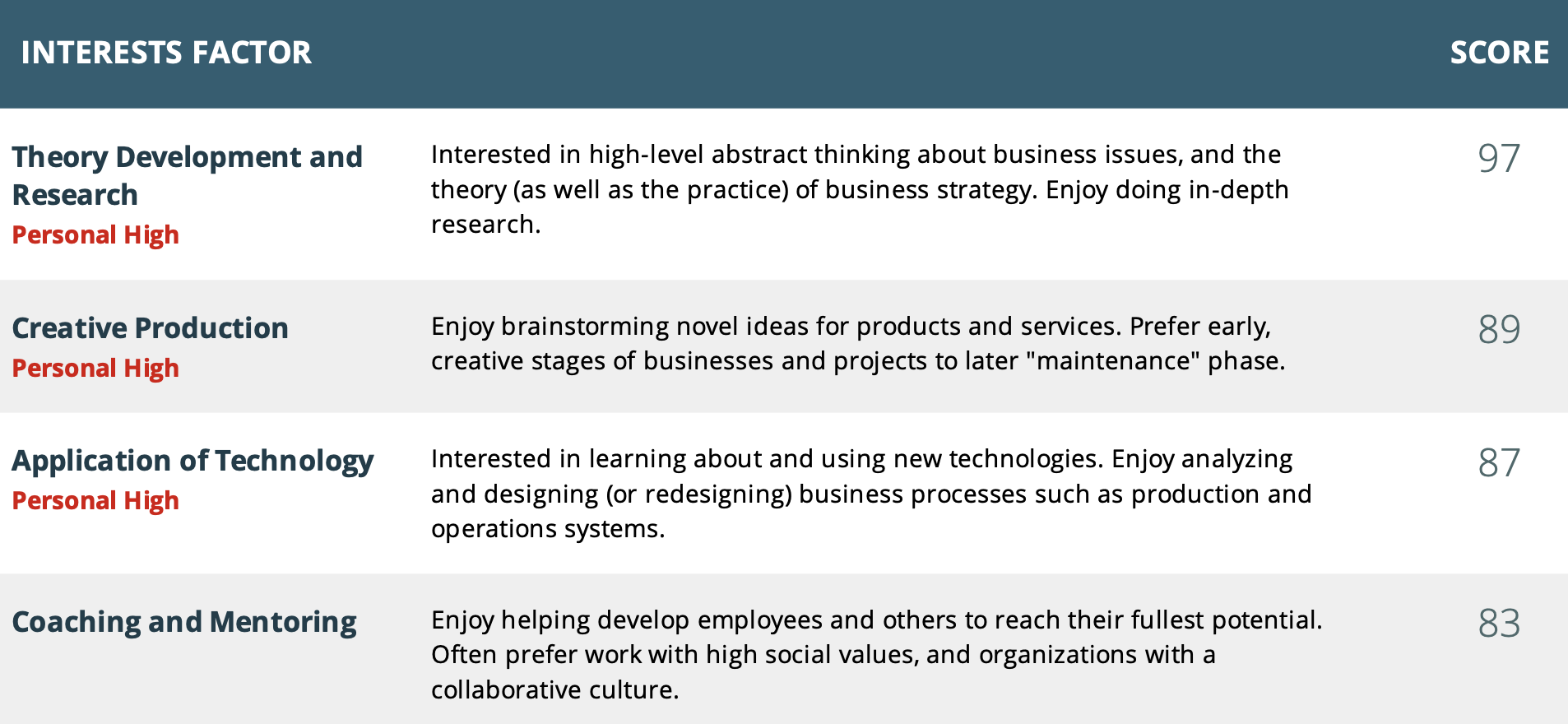
As part of my MBA, I took the CareerLeader assessment to put some data behind my professional interests. I find it's a useful piece of objective validation. It shows how my core drivers—a deep interest in strategic theory, creative work, and applying new technology—align with the work I love to do. For me, this kind of self-awareness is a key part of growth.
A Letter to My Future Self
My leadership vision is to cultivate a culture of innovation and psychological safety, grounded in personal integrity and service, where influence is earned through conduct, not command. My vision is a distillation of the philosophy from Marcus Auerlius's Meditations, infused with the Earned Leadership approach from Douglas Winter, and garnished with learnings from MP&O. I will lead by example with reliability and competence through cultivating my own character and personal growth. Both philosophies resonate with my belief that true leadership is demonstrated through actions and integrity, not authority or title.
Reflecting on the course and my Looking Back to Look Ahead CIQ critique, I see my own bias towards the Strategic Design Lens. To this day, despite writing a paper on how leadership neglecting the other lenses for strategic design led to organizational dysfunction at CIQ I still fall into the same trap. My CareerLeader results shine a light on my strong interest in Theory Development and Research, which resonates with my desire to develop new frameworks and strategies, similar to how Winter used his military experience to create structured, effective leadership practices. My high interest in Creative Production aligns with my focus on fostering an environment where innovation can thrive—much like Adrià's disciplined yet creative approach at elBulli. The assessment also highlighted my lower motivation for traditional power dynamics and managing people. I truly value innovation, but I'm no Tony Hsieh or Chef Adrià, subtlety & action are my preferred utensils to larger-than-life charisma or authoritarian control.
I took Erin Holman's "voice-even-without-a-choice" message to heart and hope to use her technique to make necessary but unpleasant changes or adversity a more palatable course for my future teams. This strategy will help bridge the gap between my personal leadership style and the organizational realities. The case of elBulli and Pisano's innovative culture research illustrates the paradox of innovation requiring both freedom and discipline. Chef Adrià's recipe for success was in balancing his team's relentless experimentation with militant discipline and a military-like structure. Earned leadership, as practiced by Winter, was formed by his experience on a nuclear submarine and applied to his Unicorn startup, Seismic. At CIQ, I saw what happens when willingness to experiment is undercooked without disciplined processes and unseasoned by the lack of clear expectations. Without balance, innovation is presented without regard for context and met with ambivalence—not accolades.
Without moving from CIQ's unsupported innovation, I would not have moved on to Jungle Scout, where my disillusionment with leadership's myopic focus on innovative new ways to sell the same product would prompt my decision to pursue my MBA at BC. This draws parallels to the lessons learned from Pixar's approach to fostering collaborative creativity. At Pixar, psychological safety was key to critiquing ideas candidly without prematurely deferring to hierarchy. My post-MBA goals do not lie in leading teams to focus their creativity solely on the sales process of what is the tech equivalent of "foodie bait." On my teams, I will take Erin's lesson and operationalize it, like Pixar.
Post-MBA, I aim to join an organization where I can apply my leadership principles of earned influence, disciplined innovation, and fostering psychological safety. I want to lead teams that feel safe to take risks and challenge the status quo, much like the creative teams at Pixar. With these ingredients, I will create an authentically innovative culture not mired in dysfunction. I recognize the challenge I pose is ultimately a challenge to myself. I am committed to the constant balancing act that this will require, as well as the integrity and requisite self-discipline of my vision - and do not take this commitment lightly. My aim is not to lead clever sales tactics to drum up demand for Michel Bras's "Gargouillou" but instead lead in a way that creates the "Sweet version of textured panache" within my realm—technology.
A note on the conclusion: The reference to Michel Bras's "Gargouillou" and elBulli's "panache" is a metaphor contrasting two ideas: the work of simply marketing something that is already complex and brilliant versus the work of creating that substantive, groundbreaking innovation from the ground up.
My Leadership Library
Theory is best when it's practical. These are a few of the business books that have given me useful frameworks and shaped my thinking on leadership and strategy.
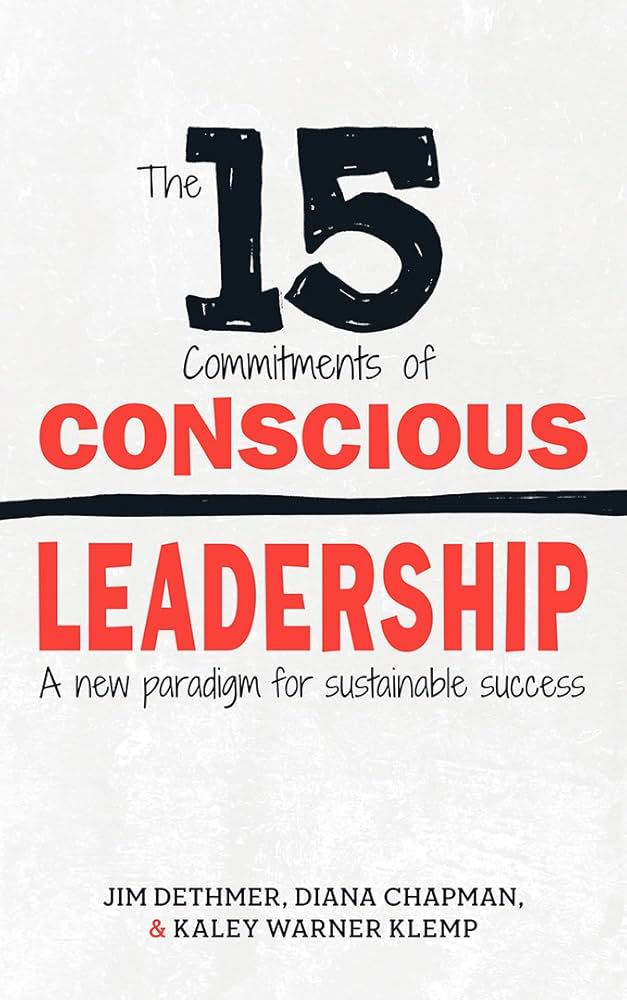
The 15 Commitments of Conscious Leadership
A practical guide to a more self-aware way of leading.
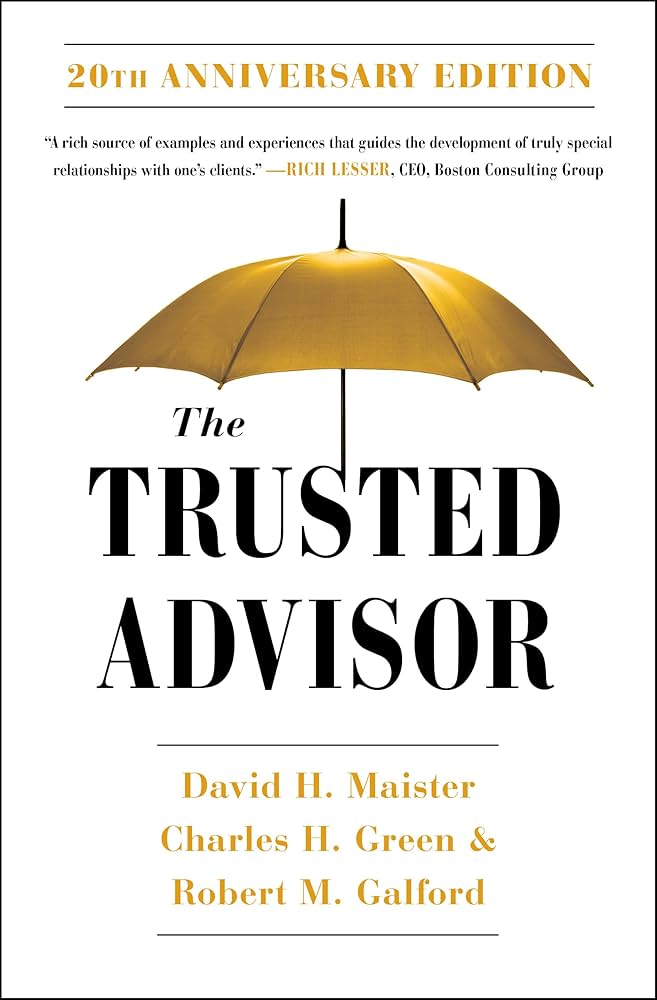
The Trusted Advisor
The foundational text on how to build lasting professional trust.
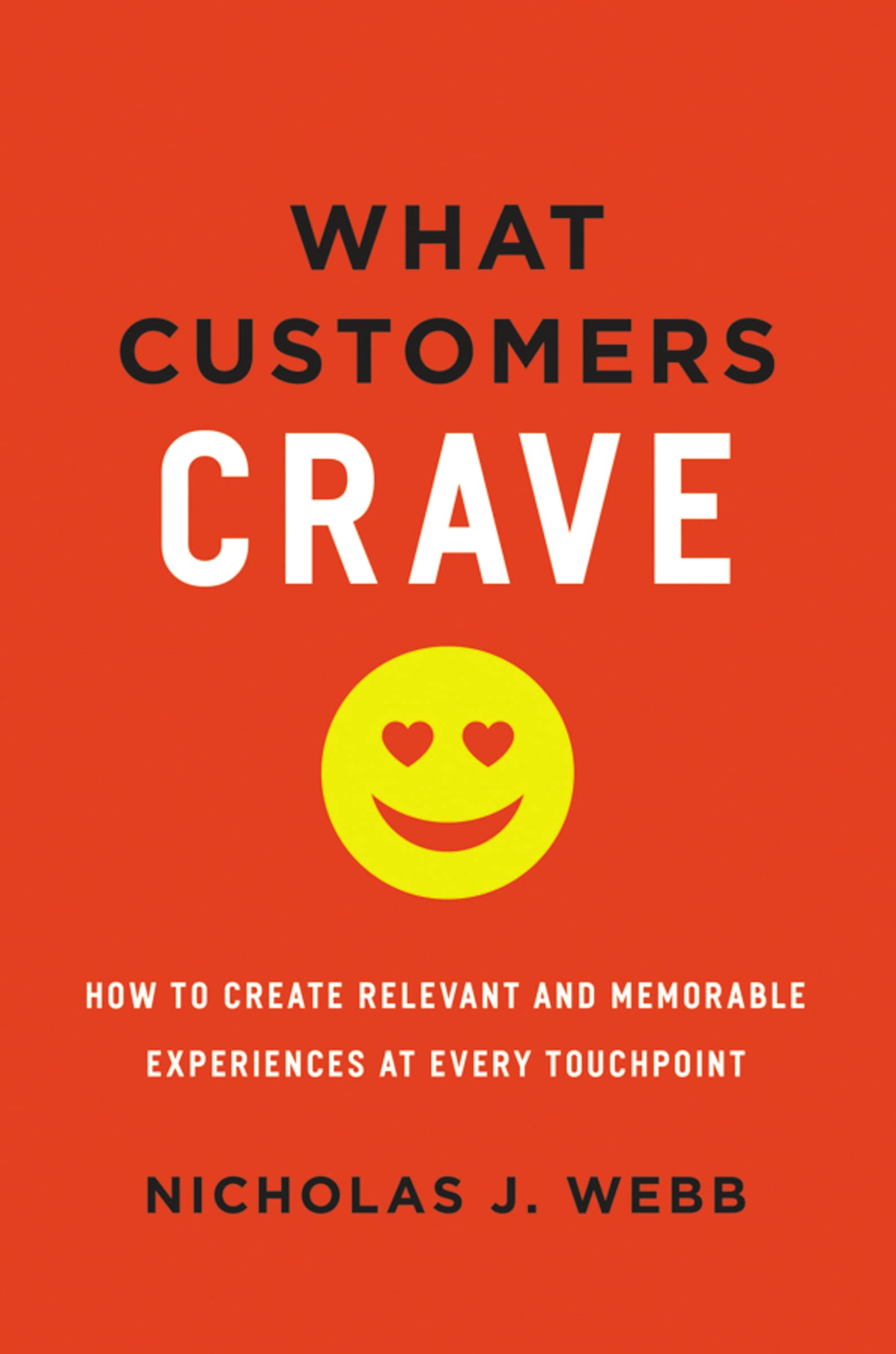
What Customers Crave
A simple guide to grounding strategy in what customers actually want.
2030
How I think about the major trends shaping the next decade.
Emotional Intelligence for Sales Success
A clear look at the applied psychology of building relationships.
Leading Executive Conversations
A great playbook for communicating with clarity at the highest levels.
Onboarding Matters
This book shaped my proactive approach to customer success.
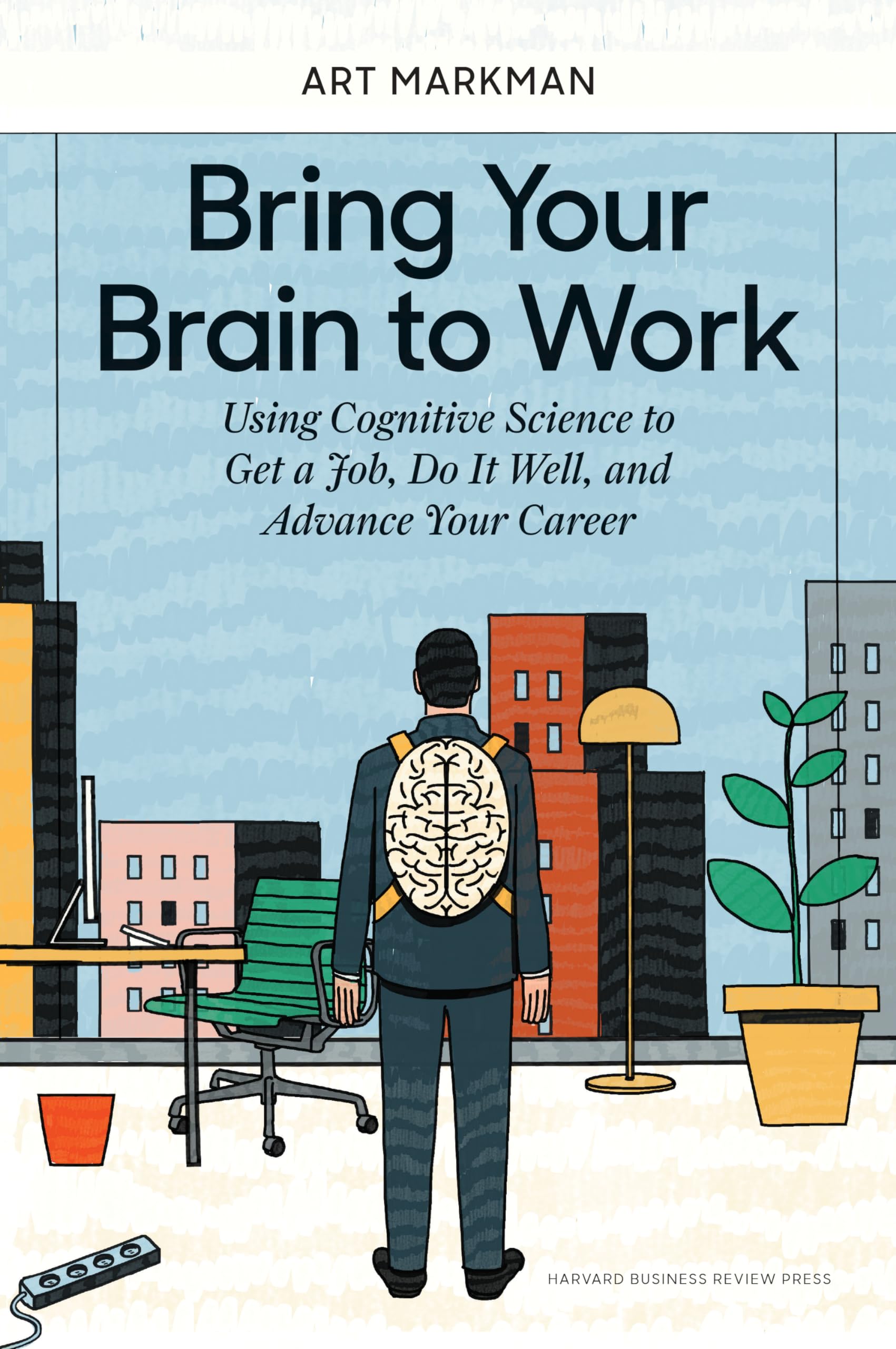
Bring Your Brain to Work
A science-backed guide to thinking smarter about your own career.
7 Strategies for Wealth and Happiness
I read this at a key moment. It helped me get serious about my long-term goals.
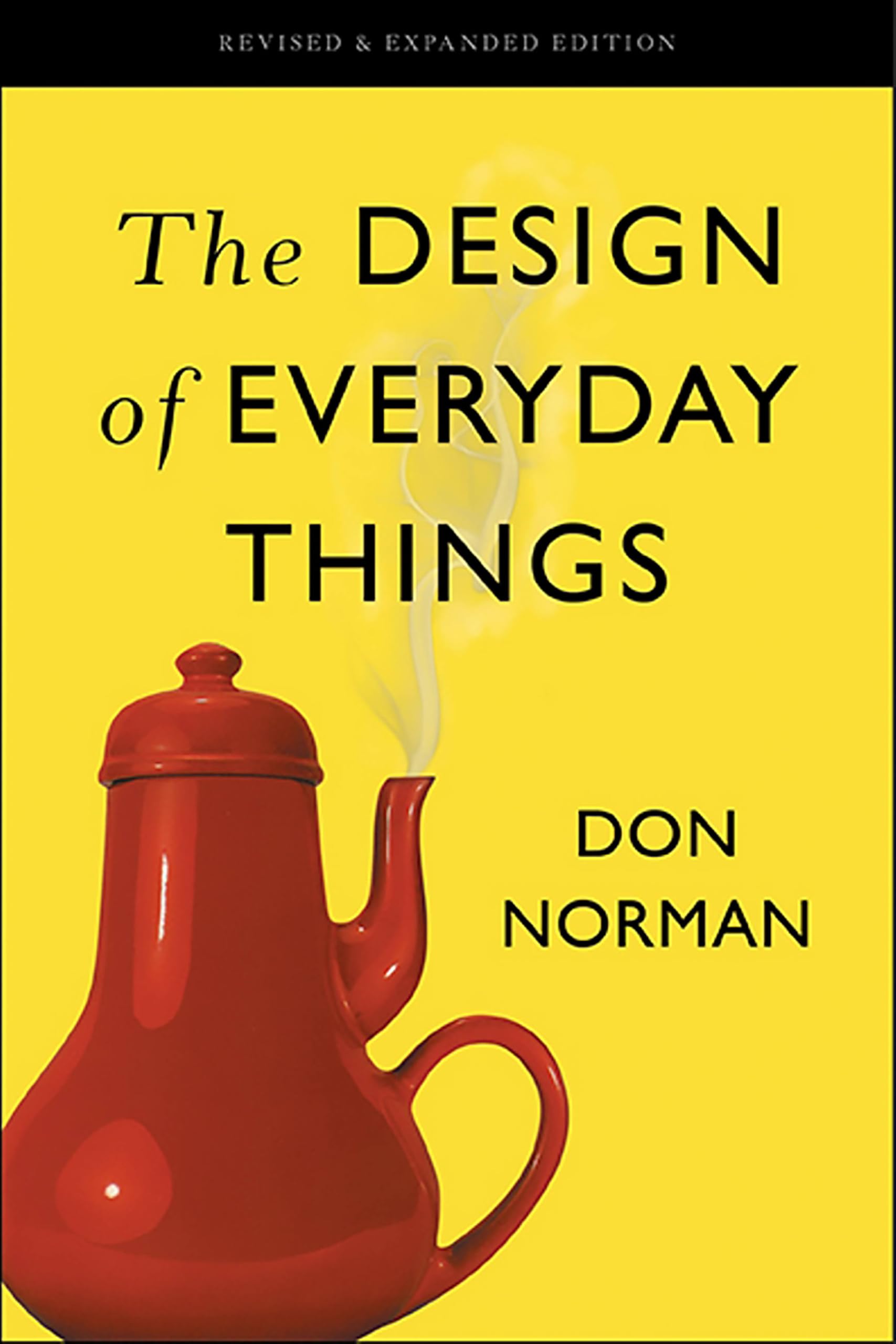
The Design of Everyday Things
This book fundamentally changed how I see the world. It's a masterclass in human-centered design.
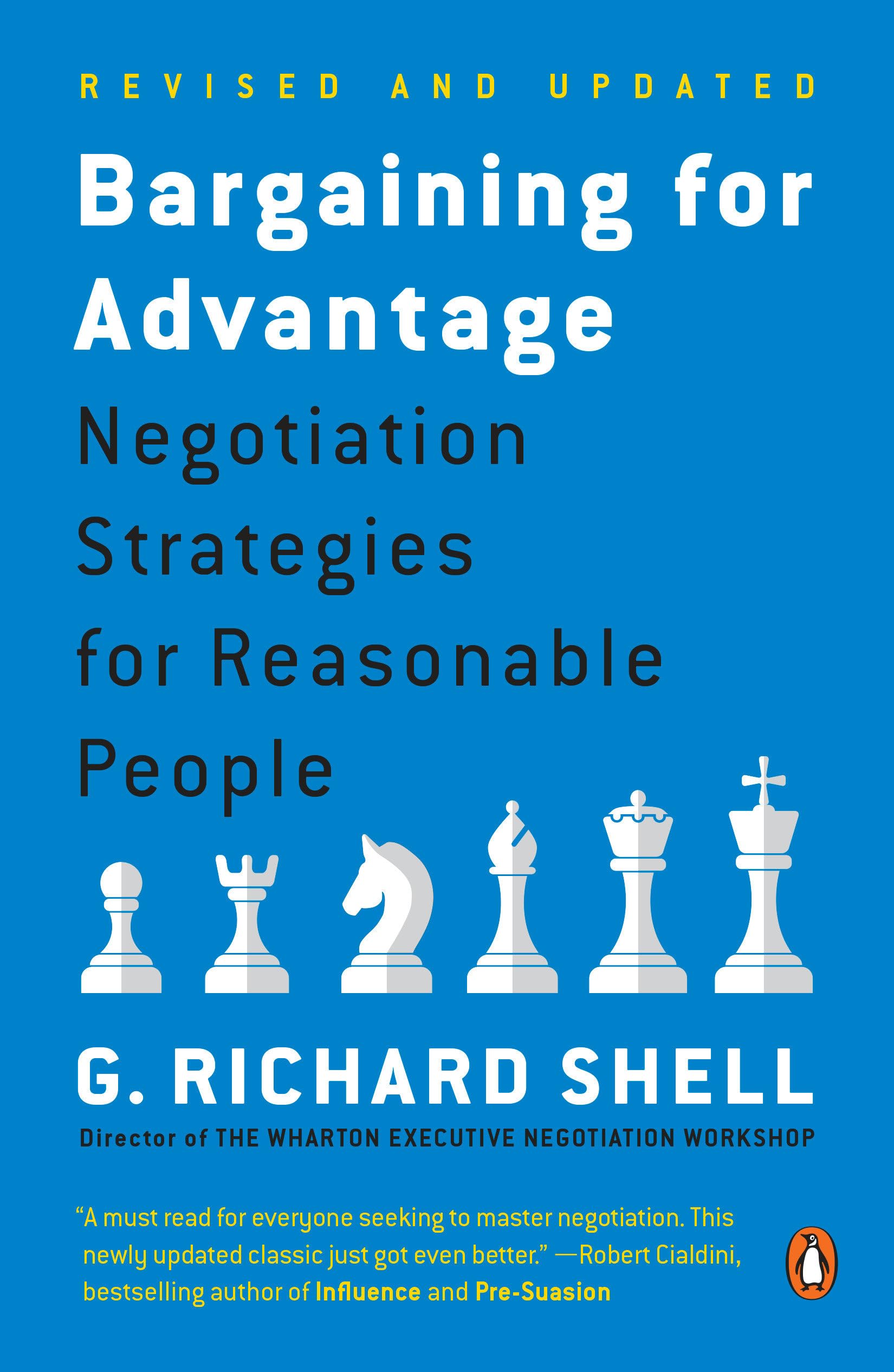
Bargaining for Advantage
The definitive guide to strategic negotiation from the Wharton School.
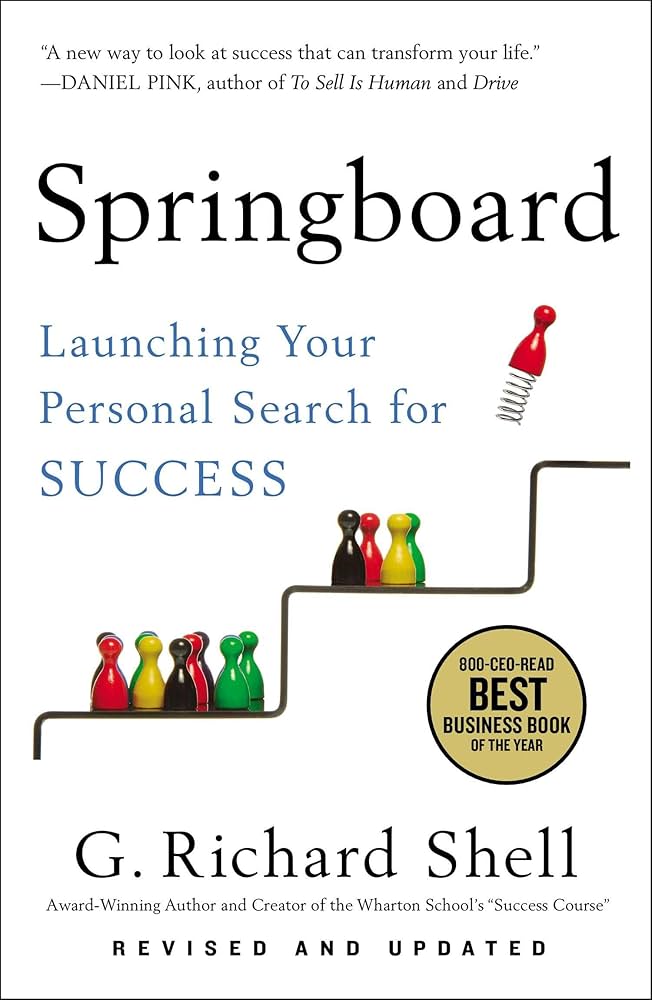
Springboard
A personal roadmap for defining and achieving meaningful success.
A Note on Complexity & Leadership
Systems thinking is a popular buzzword. For me, the interest is more fundamental. I operate on the principle that "all models are wrong, but some are useful," and my goal is to find the useful ones. But for a model to be truly useful, it must be grounded in empathy, a lens for meeting people where they are and building a better path forward, together.
Courses like Model Thinking helped me see how concepts from Game Theory or Markov models are practical tools for understanding human behavior. It all connects back to a simple idea from Charlie Munger: "Show me the incentive and I will show you the outcome." This ties directly into my interest in Bayesian thinking. For me, Bayesian thinking isn't just about data analysis; it's a mental model for trying to avoid that trap. It's a framework for systematically updating my beliefs when new evidence comes in, which I try to apply to just about everything.
Ultimately, business and technology are human systems. This perspective shapes how I lead, and it's deeply influenced by the Buddhist concept of Upekkha, or equanimity. It's about maintaining a balanced perspective in the face of volatility, allowing for clear-headed strategy instead of reactive decisions. It's about looking past the simple models to understand the complex, human reality underneath. That's where the real insights are.
Recommended Online Courses
If that way of thinking sounds interesting, here are a few of the courses that helped shape my perspective.
Model Thinking
View Course →A great course on the principle that "all models are wrong, but some are useful." It provides a toolkit of mental models to see the world more clearly.
Introduction to Complexity
View Course →A fascinating look at how complex systems emerge from simple rules. It's the science of bottom-up order, from markets to ecosystems.
Computational Social Science Methods
View Course →The perfect bridge between my communication degree and my technical skills. This course explores how to use data to understand and model human behavior at scale.
Philosophy and the Sciences: Introduction to the Philosophy of Cognitive Sciences
View Course →This course did a great job making the concept of "embodied cognition" approachable. It's the idea that our thinking is shaped by our physical interaction with the world, which has been hugely influential on my own thinking.
Introduction to Mathematical Thinking
View Course →This course is less about doing math and more an exercise in how to think. It reshaped my relationship with the subject, showing how a mathematician's mindset is a powerful tool for solving any kind of problem.